
Anúncios
In recent years, branded merchandise has emerged as a powerful trend in the world of online shopping. Consumers are increasingly drawn to products that bear the names of their favorite brands, celebrities, and influencers.
As a result, branded merchandise is dominating online sales, driving higher revenue and shaping the future of e-commerce. In this article, we will explore why branded merchandise has become a dominant force in the online retail space and how businesses can leverage this trend to boost their sales and brand recognition.
Table of Contents
The Rise of Branded Merchandise
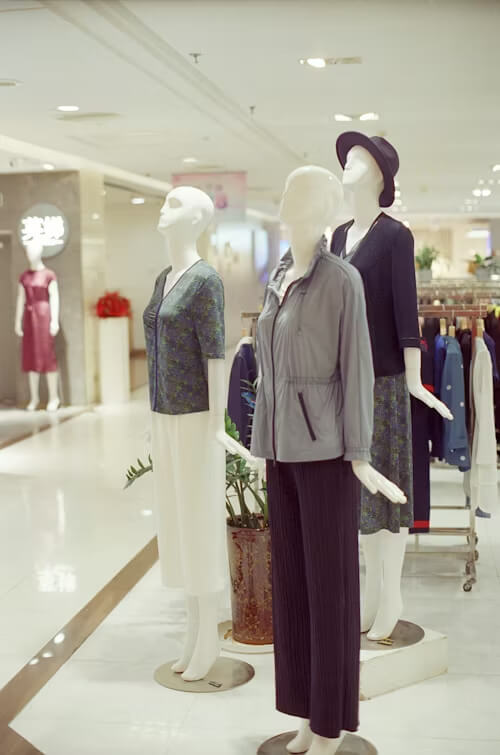
Branded merchandise refers to products that feature a recognizable brand logo, name, or design. These products are often seen as an extension of the brand’s identity and are marketed to consumers who are loyal to a particular brand or personality.
From clothing and accessories to home goods and tech gadgets, branded merchandise spans across multiple product categories and has become a key factor in driving consumer purchasing decisions.
In the past, branded products were mostly available in physical stores, but with the rise of e-commerce, more and more brands are using online platforms to sell their merchandise. This shift has led to a massive surge in branded merchandise sales, as online shopping provides a convenient and efficient way for consumers to purchase products from their favorite brands.
The Power of Brand Loyalty
Strong Emotional Connections
One of the main reasons branded merchandise is dominating online sales is the emotional connection that consumers have with brands. Many consumers form strong brand loyalty over time, and they are more likely to buy products that feature the logos or names of brands they trust. This emotional connection makes them more willing to spend money on products that carry a sense of familiarity and status.
For example, Nike, Adidas, and Apple have built a massive following of loyal customers who not only love their products but also identify with their values and lifestyles. When a consumer purchases branded merchandise from these brands, they are not just buying a product—they are making a statement about who they are and what they stand for.
Repeat Purchases
Brands with strong customer loyalty can see repeat purchases from consumers who continue to buy branded merchandise over time. Whether it’s a new line of Nike sneakers or the latest Apple accessories, consumers are eager to purchase products from the brands they love. This repeat business drives up sales and helps businesses establish long-term relationships with their customers.
Social Media Influence

The Role of Influencers
Social media has played a significant role in the rise of branded merchandise. Influencers, celebrities, and content creators often collaborate with brands to promote their products through social media platforms like Instagram, YouTube, and TikTok. These collaborations lead to increased visibility for branded merchandise, creating a direct link between the influencer’s fanbase and the brand’s products.
Influencers help brands reach a wider audience, particularly among younger consumers who are highly influenced by social media trends.
For instance, when a popular YouTuber or Instagram model promotes a specific brand of clothing or accessories, their followers are more likely to purchase these items to emulate their favorite influencers’ styles. This phenomenon has helped elevate branded merchandise to a must-have status, driving online sales to new heights.
User-Generated Content
Another key driver of branded merchandise sales is user-generated content. Social media platforms encourage users to share their purchases and experiences with their followers. When consumers post photos of themselves wearing or using branded merchandise, it acts as free advertising for the brand, encouraging others to buy similar products. This creates a sense of community around the brand, which boosts consumer confidence and leads to more purchases.
Limited Editions and Exclusivity
Scarcity Marketing
Exclusivity plays a significant role in the popularity of branded merchandise. Brands often release limited-edition products that are only available for a short time or in limited quantities. This tactic, known as scarcity marketing, creates a sense of urgency among consumers who want to own exclusive items before they sell out.
Limited-edition collections or collaborations between brands and celebrities are especially popular in the world of branded merchandise. These exclusive items often feature unique designs, logos, or signatures that make them highly desirable to fans. By creating a sense of exclusivity, brands can generate buzz and increase demand for their products, ultimately boosting online sales.
Collectibility
Many consumers are drawn to branded merchandise because of its collectibility. Products like Funko Pop! figures, limited-edition sneakers, or collectible apparel items allow consumers to showcase their loyalty to a brand or character. As a result, these items often become highly sought after and can fetch premium prices on the secondary market. This collectibility factor increases the perceived value of branded merchandise, driving higher demand and sales.
The Rise of Customization and Personalization
Personalized Merchandise
Customization and personalization are becoming key features of branded merchandise that boost online sales. Consumers are increasingly looking for ways to personalize their purchases, whether it’s by adding their name to a product or choosing a unique design. Brands that offer customizable branded merchandise provide consumers with a more personal and meaningful shopping experience.
For example, Nike’s customization platform, where customers can design their own sneakers or apparel, has been highly successful in driving branded merchandise sales. Personalization allows consumers to feel more connected to the brand and the product they purchase, increasing the likelihood of a sale.
Targeted Marketing
Personalized marketing efforts also contribute to the dominance of branded merchandise in online sales. Brands use data analytics to tailor their advertisements and product recommendations to individual customers based on their browsing history, preferences, and past purchases. This personalized approach makes it more likely that consumers will be shown products they’re interested in, increasing the chances of conversion.
The Convenience of Online Shopping
Easy Access to Products
The convenience of online shopping has made it easier than ever for consumers to purchase branded merchandise. With just a few clicks, shoppers can find and purchase their favorite branded items without ever leaving their homes. This convenience is one of the key factors driving the growth of branded merchandise in online sales.
Online stores often provide a seamless shopping experience, with features like one-click purchasing, easy checkout options, and fast shipping. This convenience makes it easy for consumers to buy the products they want without encountering unnecessary friction in the purchasing process.
Global Reach
Online stores also offer global access to branded merchandise. Consumers from all over the world can purchase items from brands that may not be available in their local stores. This global reach helps boost sales for popular brands and ensures that branded merchandise can be accessed by a wider audience.
Conclusion
Branded merchandise has become a dominant force in online sales, driven by strong brand loyalty, social media influence, exclusivity, and the convenience of online shopping. As more consumers embrace personalized and limited-edition products, the demand for branded merchandise will continue to rise. For businesses looking to capitalize on this trend, offering high-quality branded merchandise and creating a seamless online shopping experience is essential for boosting sales and building long-term customer relationships.
