
Anúncios
When shopping online, delivery options are often one of the most critical factors influencing a consumer’s decision to make a purchase. Two common considerations in the delivery process are fast delivery and cheap shipping.
But which one matters more to shoppers? Is speed the ultimate factor, or are lower costs a more important consideration for online buyers? In this article, we’ll explore the pros and cons of both options, helping you understand which one may matter most depending on your shopping priorities.
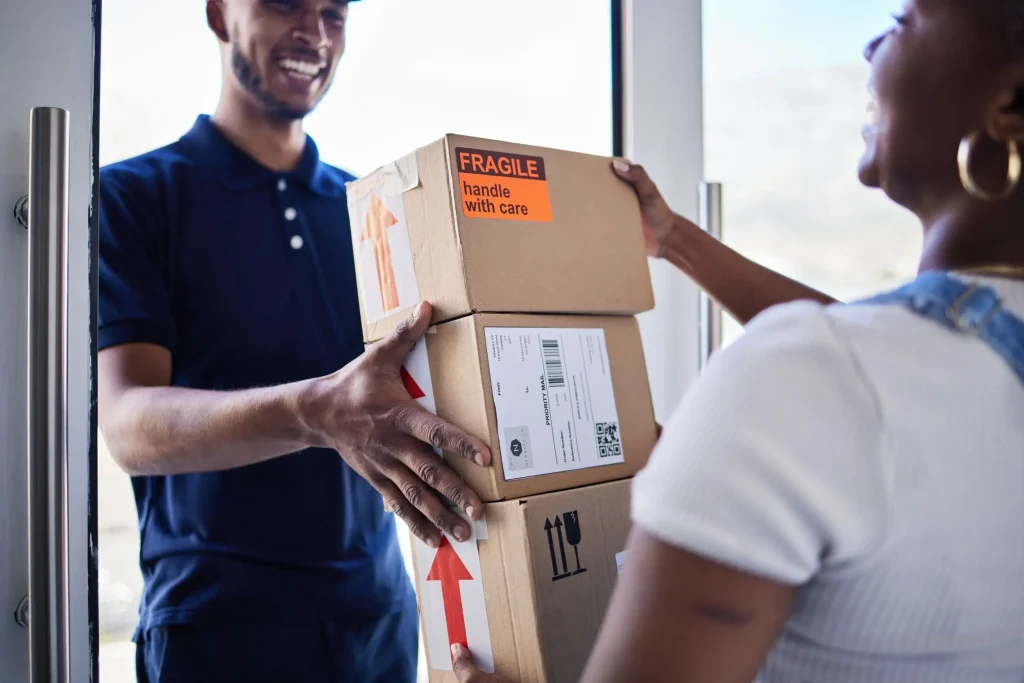
Table of Contents
Fast Delivery: The Growing Demand for Speed
The Convenience of Immediate Gratification
Fast delivery is quickly becoming a major deciding factor for many shoppers. With the increasing demand for faster, more efficient services, online retailers are racing to provide same-day or next-day delivery options for customers.
The convenience of receiving products almost immediately after ordering has become a significant selling point, especially for time-sensitive purchases.
For example, consumers who need an item urgently—such as gifts, groceries, or electronics—are more likely to choose a retailer that offers fast delivery even if it means paying a higher price. This is especially relevant during the holiday season or for last-minute needs, where speed can make a significant difference.
Consumer Expectations Have Shifted
As online shopping continues to grow, so too does the expectation for faster delivery. Big companies like Amazon have set the bar high with their Prime membership, which offers same-day or two-day delivery on millions of items. This has conditioned customers to expect a similar level of service from other retailers. As a result, fast delivery has become synonymous with convenience and customer satisfaction.
For customers in urban areas, fast delivery services like Instacart, Postmates, and Uber Eats have already created a market for quick product access, and many online shoppers are now eager for similar delivery experiences when buying from other websites.
The Need for Speed in a Competitive Market
Fast delivery is also a key differentiator in a competitive e-commerce market. Consumers are willing to pay a premium for convenience. If a customer has the option to purchase the same product from two different stores, they may choose the one offering faster delivery over a cheaper alternative that requires a longer wait. Retailers offering fast delivery can increase their market share by meeting the growing consumer demand for speed and convenience.
Cheap Shipping: Saving Money on Deliveries
Cost Savings Matter to Budget-Conscious Shoppers
While fast delivery has its appeal, many consumers still prioritize cheap shipping when shopping online. Shipping costs can significantly increase the total cost of a product, especially when buying from overseas or when small orders are placed. For budget-conscious shoppers, cheap shipping options are often a deciding factor.
Some consumers are more willing to wait for a longer delivery time if it means saving money. In fact, many online shoppers would rather choose economy shipping—which can take several days or even weeks—over express shipping to keep their overall purchase costs lower.
Free Shipping as a Competitive Advantage
One of the most sought-after options by consumers is free shipping, which many retailers use as an incentive to boost sales. Offering free shipping on orders above a certain threshold or as part of a special promotion can attract customers who may have been hesitant to make a purchase due to high shipping costs.
In this case, retailers that provide free shipping have a clear advantage over competitors that charge for delivery, even if their shipping speeds are slower. For many shoppers, the psychological benefit of free shipping outweighs the need for faster delivery.
Longer Delivery Times in Exchange for Lower Costs
For many buyers, especially those purchasing everyday items or products that aren’t urgently needed, cheap shipping is the preferred option. Customers are willing to wait a little longer for their order in exchange for savings on shipping fees. Retailers that offer affordable or free delivery without sacrificing product prices often see increased customer loyalty and repeat business, as shoppers appreciate the value they receive.
What Matters Most: Fast Delivery or Cheap Shipping?
It Depends on the Shopper’s Needs
The ultimate choice between fast delivery and cheap shipping depends on the specific needs and priorities of the consumer. Here are some scenarios where one option might outweigh the other:
- Urgent Needs: If you need a product immediately—whether it’s a birthday gift, a last-minute purchase, or something required for a specific event—fast delivery will likely be your top priority. In this case, you’re willing to pay more to get the product quickly.
- Budget-Conscious Purchases: For routine or non-urgent purchases, cheap shipping often takes precedence. When you’re buying multiple items or smaller purchases, waiting a few extra days to save on delivery costs is more appealing.
- Seasonal Shopping: During busy shopping seasons like the holidays or Black Friday, fast delivery can be essential, as consumers expect quick shipping for time-sensitive gifts. However, for non-time-sensitive items, customers may opt for cheap shipping if it means saving on overall expenses.
- Subscription or Repeat Orders: If a shopper regularly purchases items from a particular store, they may be more willing to tolerate slower delivery times in exchange for cheap shipping or even free shipping through loyalty programs or subscriptions.
Consumer Trends
It’s important to note that trends in delivery preferences have shifted in recent years. While cheap shipping remains attractive, consumers are becoming more accustomed to the idea of paying for faster delivery options due to the convenience factor. As technology advances and retailers streamline their logistics systems, we may see faster delivery becoming the norm, even at a lower cost.
Retailers that can strike a balance between affordable delivery options and quick shipping services are likely to stay ahead of the competition and meet the diverse needs of their customer base.

The Future of Delivery: How Retailers Will Adapt
Sustainability and Green Delivery Options
As the world becomes more environmentally conscious, the delivery sector is also expected to evolve. Sustainable delivery options, such as electric delivery vehicles and carbon-neutral shipping, will play a significant role in how online retailers approach delivery in the future. Consumers are likely to appreciate the ability to choose eco-friendly shipping options that minimize their carbon footprint, even if it means waiting a little longer for their orders.
AI and Predictive Delivery
With the rise of artificial intelligence and predictive analytics, delivery services will become more efficient and personalized. AI-powered delivery systems can optimize routes, reduce delivery times, and even offer more accurate delivery estimates. In the near future, retailers might offer consumers the choice of dynamic delivery windows based on real-time data, ensuring faster and more convenient options that also take into account cost-saving measures.
Conclusion
When it comes to delivery in online shopping, the debate between fast delivery and cheap shipping is ongoing. For some consumers, speed is the most important factor, especially when purchasing time-sensitive items. For others, saving on shipping fees takes precedence, especially when it comes to non-urgent purchases. Ultimately, the choice comes down to personal preferences, product urgency, and shopping habits.
As online shopping continues to evolve, we can expect retailers to offer a wider range of delivery options that cater to both speed and affordability. By offering flexibility, transparency, and convenience, businesses can meet the diverse needs of their customers and ensure a satisfying shopping experience.
