
Anúncios
The world of e-commerce has seen tremendous growth in recent years, and with it, the expectations surrounding delivery have evolved.
As online shopping continues to dominate the retail landscape, consumers are increasingly prioritizing fast, reliable, and convenient delivery options. By 2026, delivery will not only be faster and more efficient but also more personalized, sustainable, and integrated into the everyday shopping experience. In this article, we’ll explore what you can expect when it comes to delivery for online shopping in the near future.
Table of Contents
Hyper-Speed Delivery: Same-Day and Even Hourly Shipping
The Era of Speed
As e-commerce giants like Amazon, Walmart, and various other retailers focus on improving delivery times, the demand for same-day or next-hour shipping will continue to rise. By 2026, it’s highly likely that many products will be available for same-day delivery, especially for consumers living in urban areas.
The instant gratification that consumers expect from shopping in physical stores is slowly being replicated in the digital shopping world. With advancements in logistics and the expansion of local fulfillment centers, same-day delivery for many common items will become the standard, not the exception.
For example, groceries, small electronics, or fashion items that are ordered early in the day could arrive on the same day. Many companies are also investing in autonomous vehicles and drones for faster delivery in urban environments, further reducing wait times and increasing convenience.
On-Demand and Hourly Delivery
In addition to same-day delivery, hourly delivery is gaining traction. Retailers are integrating with apps and platforms that allow consumers to choose a time window for delivery, sometimes as narrow as an hour. This level of precision gives shoppers more control over their schedules and provides a more personalized service, ensuring that packages arrive when they are most convenient for the recipient.
By 2026, expect to see more on-demand delivery services that enable consumers to shop and receive their purchases within an hour of placing an order.
Enhanced Tracking and Transparency
Real-Time Delivery Tracking
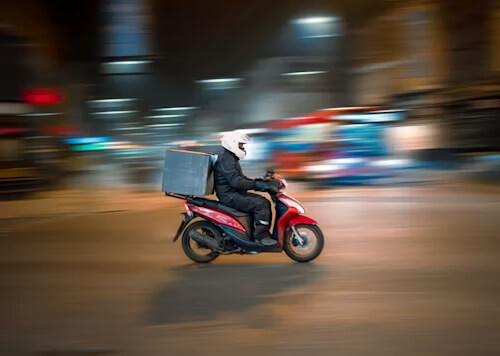
As delivery becomes faster, tracking packages will also become more precise and accessible. By 2026, real-time tracking will be the standard across most online store websites. Customers will be able to see exactly where their package is at any given moment, and even receive notifications about any delays or changes to the delivery schedule.
Not only will shoppers be able to track their orders through mobile apps, but they will also be able to see more detailed information about delivery routes, traffic conditions, and estimated times of arrival. This will reduce the uncertainty that sometimes comes with waiting for a package and help customers plan their day accordingly.
AI-Powered Predictions
Artificial intelligence (AI) will further enhance the delivery experience by providing more accurate predictions on delivery times. By analyzing real-time traffic data, historical delivery patterns, and customer preferences, AI will be able to predict with a high degree of accuracy exactly when a product will arrive.
Shoppers will no longer need to wait for vague “delivery windows” but will receive real-time updates on the status of their packages, down to the precise hour or even minute.
More Sustainable and Eco-Friendly Delivery Options
Carbon-Neutral Shipping
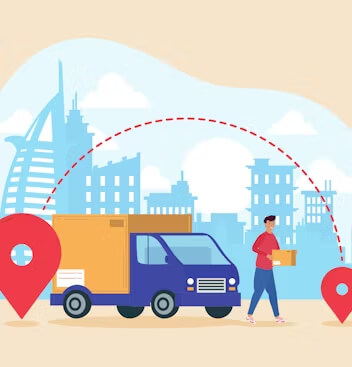
As sustainability becomes an increasingly important issue for consumers, eco-friendly delivery options will become the norm in 2026. Many online retailers will offer carbon-neutral shipping, allowing customers to offset the environmental impact of their deliveries.
The shift towards greener delivery methods could include using electric delivery vehicles, bicycles, or drones powered by renewable energy sources. Packaging will also see significant improvements, with many companies opting for biodegradable or recyclable materials.
Smart Delivery Networks
To reduce carbon footprints and improve delivery efficiency, retailers will use smart networks that leverage AI, IoT (Internet of Things), and data analytics to optimize routes, minimize packaging waste, and ensure more sustainable delivery practices. By creating shared delivery hubs in local areas, companies can combine multiple orders into one shipment, reducing unnecessary trips and emissions.
In 2026, expect delivery options that let customers choose eco-friendly shipping as part of their purchase, such as selecting slower delivery methods that consolidate shipments to reduce environmental impact.
More Localized and Personalized Delivery Experiences
Local Fulfillment Centers
The rise of local fulfillment centers is changing the way online orders are processed and delivered. Instead of having to ship products from distant warehouses, retailers will increasingly store items in smaller, local facilities to expedite the delivery process.
By 2026, many large retailers will have micro-warehouses located closer to urban centers, allowing for faster deliveries and more flexible options. Local fulfillment centers will reduce the need for long-distance shipping, which will help lower costs and delivery times.
Personalized Delivery Choices
As the shopping experience becomes more customized, so will delivery options. Retailers will offer consumers the ability to choose from a variety of personalized delivery methods, such as:
- Click-and-collect services (pick up orders from a local store or locker),
- Flexible delivery windows (choose a specific time that fits your schedule),
- Delivery lockers (where customers can pick up their package at any time from a self-service kiosk).
This increased flexibility gives consumers greater control over when and how they receive their purchases, making the shopping experience even more convenient.
The Role of Automation and Drones in Delivery
Drones and Autonomous Vehicles
The use of drones and autonomous vehicles for delivery is no longer a futuristic idea—it’s quickly becoming a reality. By 2026, it’s expected that drones will be used more widely to deliver small items like clothing, electronics, or even food.
This could drastically reduce delivery times and increase efficiency, especially for same-day and hourly delivery options.
Autonomous vehicles—such as self-driving delivery vans—will also be a key part of the delivery landscape. These vehicles will be able to transport packages to neighborhoods, reducing the reliance on human drivers and improving delivery efficiency. AI-powered drones will navigate busy urban environments and deliver packages to doorsteps, all while avoiding obstacles and traffic.
Delivery Robots
In addition to drones and autonomous vehicles, robots that can travel short distances within communities may also become more common by 2026. These last-mile delivery robots will be able to carry packages directly to consumers’ doorsteps or local pickup points, further speeding up the delivery process and making it even more personalized.
Increased Focus on Customer Convenience and Communication
Real-Time Communication
As delivery speeds increase, so will the need for enhanced communication between retailers and customers. By 2026, it’s expected that online stores will use more advanced messaging systems to communicate with customers during the entire delivery process.
Shoppers will be able to receive instant updates about their order’s status, including when it’s shipped, out for delivery, or delayed.
Customers will also have the ability to track and communicate with the delivery driver in real-time, ensuring the process is as transparent and seamless as possible.
Conclusion
The future of delivery in online shopping looks fast, flexible, sustainable, and highly personalized. As consumers continue to demand quicker, more convenient, and eco-friendly delivery options, retailers will need to adopt advanced technologies like AI, drones, and smart logistics to keep up with these expectations. By 2026, delivery will not only be faster and more reliable, but also more attuned to individual customer preferences, offering a level of convenience and personalization never seen before in online shopping.
